Get Water Hydrant Replacement
Water hydrant replacement services involve local contractors installing, repairing, or upgrading fire hydrants to ensure reliable access and proper function for property safety.
Property owners in the area who are considering water hydrant replacement often do so to ensure reliable access to water, improve safety measures, or meet updated municipal requirements. Whether upgrading outdated equipment or replacing damaged units, this type of work can be an important part of maintaining a property's functionality and compliance. Exploring local contractors who specialize in hydrant services can help property owners compare options and find solutions tailored to their specific needs.
For those planning infrastructure improvements or managing property safety, understanding the available local service providers is a valuable step. Local contractors can assist with evaluating existing hydrants, recommending suitable replacements, and ensuring proper installation. Continuing to explore your options can help you make informed decisions about water hydrant replacement projects that support your property’s ongoing safety and performance.
- Water hydrant replacement - needed when existing fire hydrants are outdated or no longer functioning properly.
- Hydrant head repair or upgrade - required if hydrant heads are damaged, leaking, or not operating as intended.
- Hydrant valve replacement - necessary when valves are corroded, stuck, or fail to control water flow effectively.
- Hydrant flushing and testing services - essential for ensuring hydrants meet operational standards and are ready for emergency use.
- Hydrant installation for new developments - needed when new properties or infrastructure require fire protection water sources.
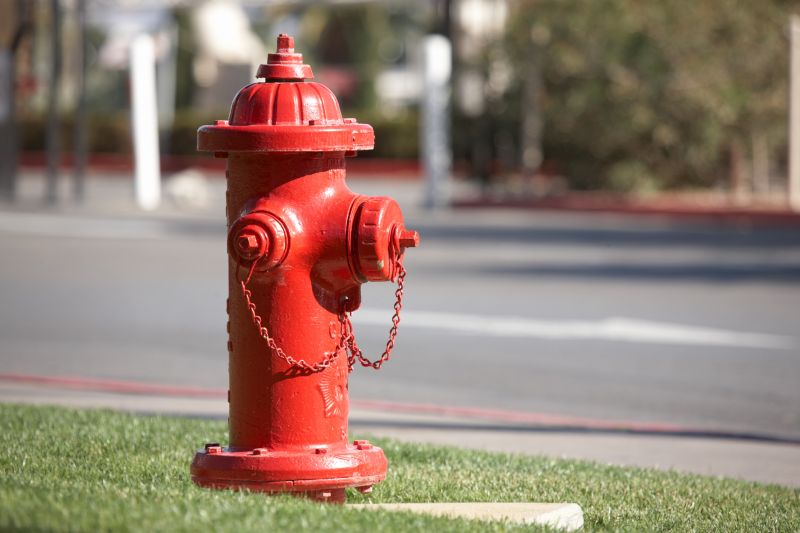
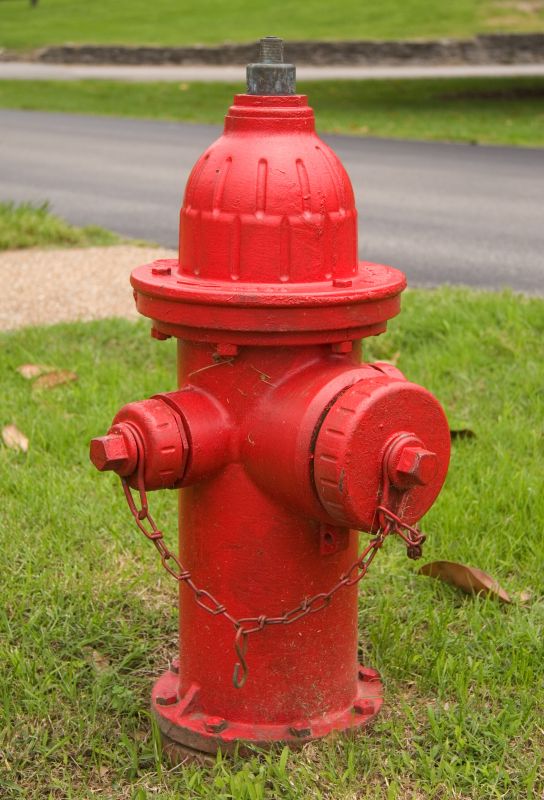
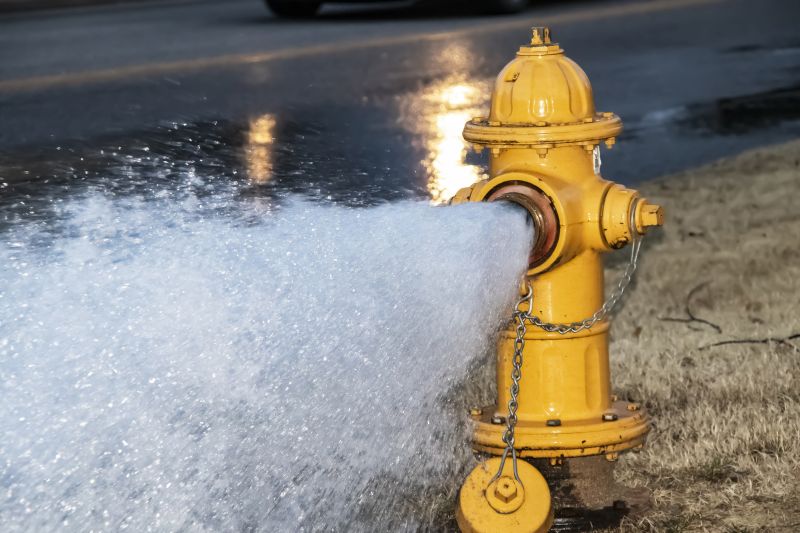
Water hydrant replacement services involve removing outdated, damaged, or corroded fire hydrants and installing new, fully functional units. This process ensures that fire protection systems are reliable and meet safety standards. Skilled service providers handle the entire replacement, including disconnecting the old hydrant, preparing the site, and installing the new unit securely. Proper installation is essential to prevent leaks, ensure easy access during emergencies, and maintain the overall integrity of the water supply system.
This service helps address common problems such as leaks, rust, or mechanical failure in existing hydrants. Over time, exposure to the elements can cause hydrants to deteriorate, leading to reduced water flow or complete failure during critical moments. Replacing malfunctioning hydrants can improve water pressure, prevent property damage caused by leaks, and ensure that emergency responders have reliable access to water when needed. Timely replacement also helps avoid costly repairs that might arise from neglecting these issues.
Water hydrant replacement is typically needed for commercial properties, municipal facilities, and larger residential communities. Properties with extensive fire suppression systems, such as apartment complexes, industrial sites, or public parks, often require regular maintenance and occasional upgrades to their hydrant infrastructure. Property owners or managers who notice signs of corrosion, reduced water flow, or physical damage to hydrants should consider replacement services. Ensuring that hydrants are in good condition is a vital part of maintaining safety and compliance with local regulations.
Professional service providers can assess the condition of existing hydrants and recommend appropriate replacements. They work with property owners to determine the best type and location for new hydrants based on the property’s layout and fire safety needs. Whether upgrading outdated units or installing new hydrants in a development project, local contractors have the expertise to complete the job efficiently. Contacting experienced professionals can help ensure that fire protection systems remain dependable and meet all necessary standards.
The overview below groups typical Water Hydrant Replacement projects into broad ranges so you can see how smaller, mid-sized, and larger jobs often compare in your area.
In many markets, a large share of routine jobs stays in the lower and middle ranges, while only a smaller percentage of projects moves into the highest bands when the work is more complex or site conditions are harder than average.
Smaller Repairs - routine repairs or part replacements typically cost between $250 and $600. Many common issues fall within this range, making it a manageable expense for regular maintenance needs.
Partial Replacement - replacing a section of a water hydrant or upgrading components usually ranges from $600 to $1,200. Larger, more involved projects in this category are less frequent but may reach up to $2,500.
Full Hydrant Replacement - installing a new water hydrant from scratch generally costs between $1,500 and $3,500. Many local contractors handle projects in this range, while more complex installations can exceed $5,000.
Complex or Large-Scale Projects - extensive replacements or upgrades involving multiple hydrants or infrastructure modifications can range from $3,500 to over $10,000. These are less common but represent larger, more intricate jobs handled by specialized service providers.
Actual totals will depend on details like access to the work area, the scope of the project, and the materials selected, so use these as general starting points rather than exact figures.
Underground Pipe Repair - local contractors skilled in excavating and replacing underground piping are often experienced in water system components similar to hydrant replacements.
Fire Sprinkler System Installation - installing and maintaining fire sprinkler systems requires knowledge of water supply connections and valve management akin to hydrant servicing.
Municipal Water Main Replacement - replacing large-scale water mains involves planning and tools comparable to water hydrant replacement projects.
Storm Drain System Upgrades - upgrading storm drainage infrastructure involves excavation and pipe work similar to hydrant replacement tasks.
Valve and Fitting Replacement - replacing various water system valves and fittings requires similar skills in plumbing and system planning as hydrant work.
Water Line Leak Detection - locating and repairing leaks in water lines involves understanding of underground piping and system pressure, related to hydrant replacement services.
When comparing service providers for water hydrant replacement, it’s important to evaluate their experience with similar projects. Homeowners should look for local contractors who have a proven track record of handling water hydrant installations or replacements in comparable settings. Asking about prior work can help determine if a professional has the necessary expertise to manage the specific requirements of the job, ensuring that the project is completed efficiently and correctly the first time.
Clear written expectations are essential for a smooth working relationship. Homeowners should seek out service providers who can offer detailed descriptions of their scope of work, including the materials used, the process involved, and any potential limitations. Having this information in writing helps prevent misunderstandings and ensures that both parties are aligned on the project’s goals and deliverables before work begins.
Reputable references and effective communication are key factors to consider when selecting a local contractor. Homeowners are encouraged to request references from previous clients who had similar work done and to verify the quality of the contractor’s service. Good communication throughout the process - including prompt responses to questions and transparent updates - can also make the experience more straightforward and less stressful. It’s important to remember that this site introduces homeowners to local options, but the actual work is performed by independent service providers, not the site itself.
Property owners use Water Hydrant Replacement services for practical projects around their homes and businesses. This guide focuses on everyday jobs and straightforward project options.
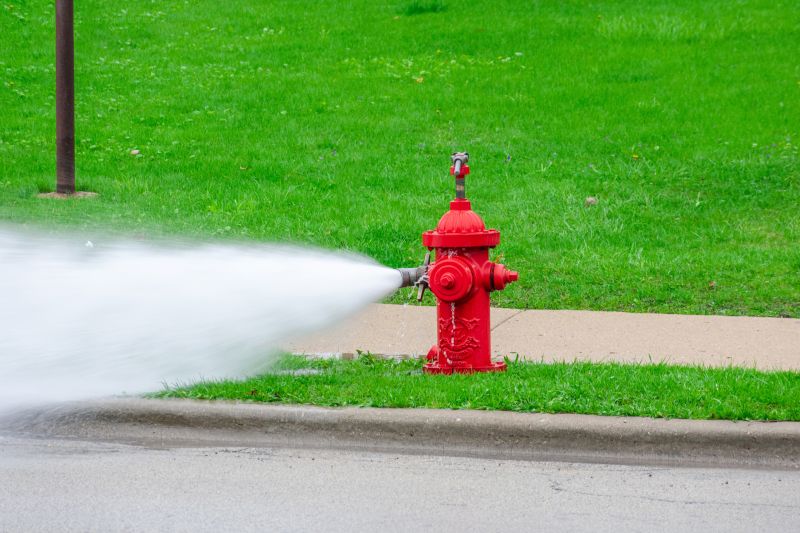
Water hydrant replacement services are often needed when property owners notice leaks, corrosion, or damage to existing fire hydrants or exterior water sources. These issues can occur due to age, weather exposure, or accidental impacts, leading to decreased water pressure or potential safety concerns. Local contractors who specialize in hydrant replacement can assess the condition of existing fixtures and perform the necessary work to ensure reliable water access and compliance with safety standards.
In addition to emergency repairs, property owners might seek water hydrant replacement during routine upgrades or property renovations. Upgrading outdated or inefficient hydrants can improve water flow and ensure the system functions properly for fire safety and maintenance needs. Service providers in the area are equipped to handle these projects efficiently, helping property owners maintain a safe and functional water supply system.
What are signs that a water hydrant needs replacement? Indicators include visible corrosion, leaks, reduced water flow, or physical damage to the hydrant that cannot be repaired effectively.
Why should I consider replacing an old water hydrant? Replacing an outdated or damaged hydrant can improve water efficiency, ensure reliable operation, and prevent potential property damage caused by leaks or failure.
How do local contractors handle water hydrant replacements? Service providers typically assess the existing hydrant, determine the appropriate replacement, and perform installation following standard procedures to ensure proper function.
Are water hydrant replacements a complex process? The process involves removing the old hydrant and installing a new one, which requires proper equipment and expertise to ensure correct placement and connection.
What should I consider before choosing a water hydrant replacement service? It’s important to verify that the service provider has experience with hydrant replacements, uses quality parts, and follows local regulations for installation.
Water Hydrant Replacement for Fire Safety - Ensure fire safety by replacing outdated or damaged water hydrants to maintain proper emergency access.
Upgrading Water Systems - Modernize aging water hydrants to improve flow and reliability for everyday property use and maintenance.
Property Maintenance and Repairs - Address leaks or corrosion by replacing malfunctioning hydrants to prevent water wastage and property damage.
Preparing for Inspections - Get hydrants inspected and replaced as needed to meet local safety standards and avoid potential violations.
If you are thinking about Water Hydrant Replacement for a property, this guide is meant to help you understand the work, the typical project types, and how different options might fit your plans.
When you are ready, you can use the quote form on this page to share a few details about your project. From there, local pros can review the basics and respond with options that match what you have in mind.