How Aging Water Lines Affect Plumbing Performance
If aging water lines are causing plumbing issues, local contractors can assess, replace, or upgrade your water lines to restore performance and prevent future problems.
Understanding how aging water lines affect plumbing performance is essential for property owners looking to maintain a reliable and efficient water system. Over time, older water lines can develop issues such as corrosion, mineral buildup, or leaks, which can lead to reduced water pressure, discoloration, or even costly water damage. Residents and property managers in the area may find it beneficial to explore this topic to identify potential problems early and ensure their plumbing remains in optimal condition.
Local contractors who specialize in water line installation can provide valuable insights and services to address these aging-related concerns. Whether upgrading outdated piping or replacing compromised lines, these professionals help improve plumbing performance and prevent future issues. Continuing to read can help property owners understand the signs of aging water lines and learn how experienced service providers can assist in maintaining a healthy, efficient plumbing system.
- Water line replacement - homeowners noticing reduced water pressure or discolored water may need water line replacement handled by local contractors who evaluate aging pipes and install new ones.
- Leak repairs - signs of leaks or unexplained increases in water bills can indicate deteriorating water lines, with local service providers addressing issues through targeted pipe repairs or replacements.
- Pipe rerouting - when aging water lines cause frequent clogs or backups, local pros can reroute or upgrade piping systems to improve overall plumbing performance.
- Pipe inspection and assessment - ongoing issues with flow or water quality may require local contractors to perform inspections and determine if aging water lines are impacting plumbing efficiency.
- Water line upgrades - homes with old or corroded pipes often benefit from upgrades, with local service providers offering solutions to restore optimal plumbing performance.
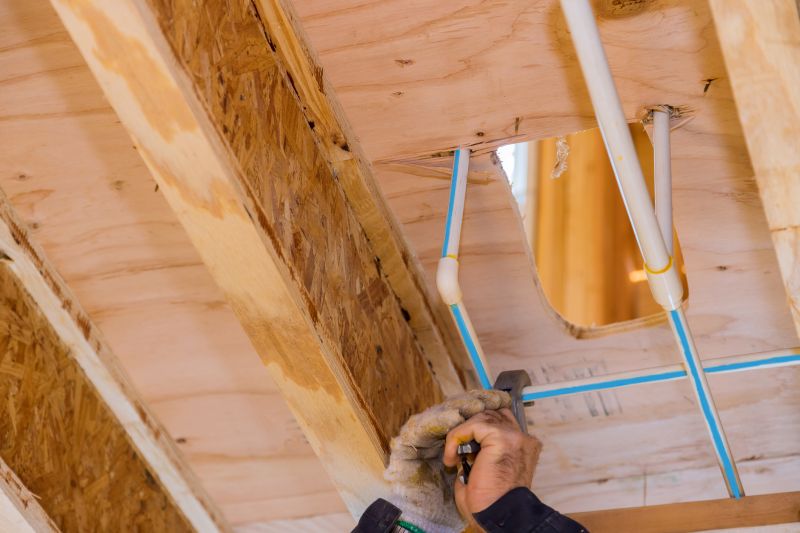
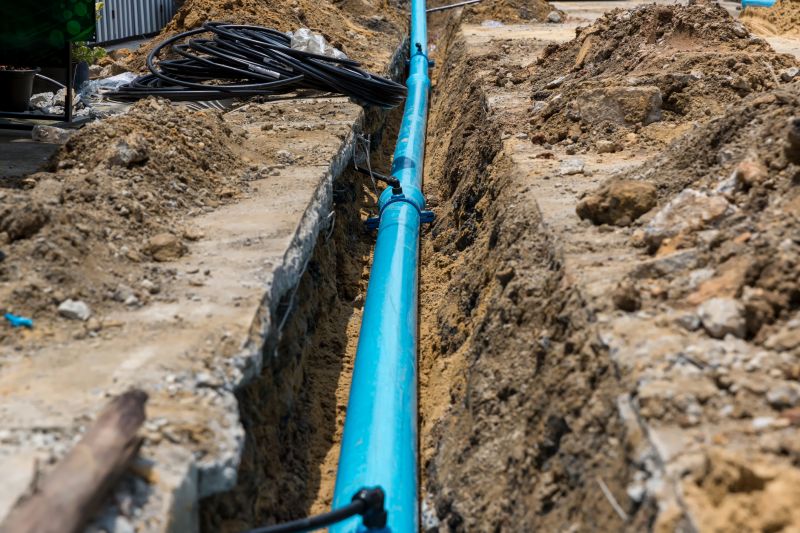
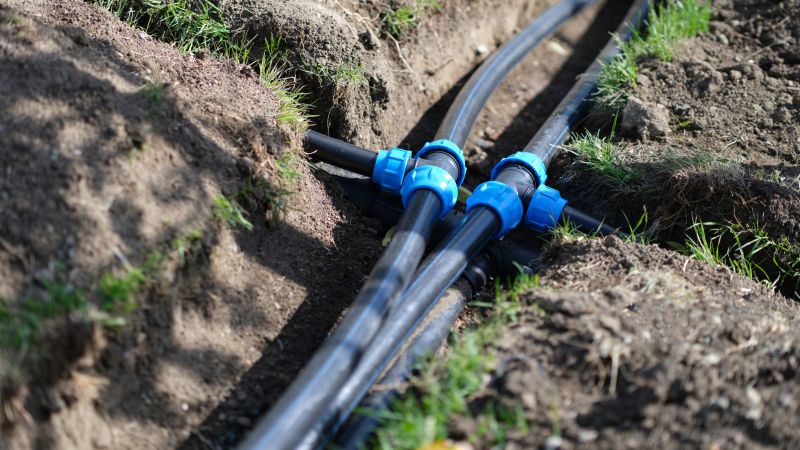
When people search for how aging water lines affect plumbing performance, they are typically interested in understanding how the condition of their existing pipes impacts their daily water use. Over time, water lines can deteriorate due to factors such as corrosion, mineral buildup, or material fatigue. This deterioration can lead to a range of issues that disrupt the smooth operation of a home's plumbing system. Homeowners often want to know if their aging pipes are causing problems like reduced water pressure, discolored water, or frequent leaks, and whether replacing or upgrading the lines might improve overall performance.
These concerns are closely related to common plumbing problems and planning for property improvements. As water lines age, they may become more prone to leaks, blockages, or bursts, which can cause water damage and increase repair costs. In some cases, homeowners consider planning for water line replacement as part of larger renovation projects or when upgrading fixtures and appliances that require reliable water supply. Understanding how aging water lines affect plumbing performance helps property owners decide whether a repair or complete replacement is necessary to maintain efficient and safe water delivery throughout the property.
The types of properties most often impacted by aging water lines include older homes with plumbing systems that have not been updated in decades, as well as commercial buildings with extensive water infrastructure. Residential properties in regions with hard water or corrosive soil may experience faster deterioration of their water lines. Additionally, properties that have experienced previous plumbing issues or have visible signs of pipe wear-such as frequent leaks, low water pressure, or discolored water-are likely to benefit from an assessment of their aging water lines. These situations highlight the importance of working with local contractors who specialize in water line installation and replacement.
Understanding how aging water lines influence plumbing performance makes it clear why property owners might seek professional services to address these issues. Local service providers can evaluate the condition of existing pipes, recommend appropriate solutions, and handle the installation of new water lines when needed. This ensures that homes and businesses maintain reliable water flow, avoid costly repairs, and prevent potential water damage caused by deteriorating pipes. Connecting with experienced local contractors provides a practical way to manage aging water infrastructure and keep plumbing systems functioning efficiently over time.
Pipe Replacement Projects - these involve removing aging or corroded water lines to restore optimal plumbing performance and prevent leaks, requiring skills similar to water line installation.
Leak Detection and Repair - locating and fixing hidden leaks in water lines demands knowledge of plumbing systems affected by aging pipes and the tools used in water line installation.
Water Pressure Optimization - projects focused on improving water flow often involve replacing or upgrading old water lines to address performance issues caused by aging infrastructure.
Corrosion Prevention Systems - installing corrosion inhibitors or protective coatings on water lines relates closely to understanding pipe materials and aging effects on plumbing systems.
Fixture Replacement and Upgrades - upgrading fixtures often reveals underlying plumbing issues stemming from aging water lines, requiring coordination with local contractors experienced in water line work.
Water Line Inspection Services - these assessments identify deterioration in aging water lines that could impact plumbing performance, guiding repair or replacement projects by local service providers.
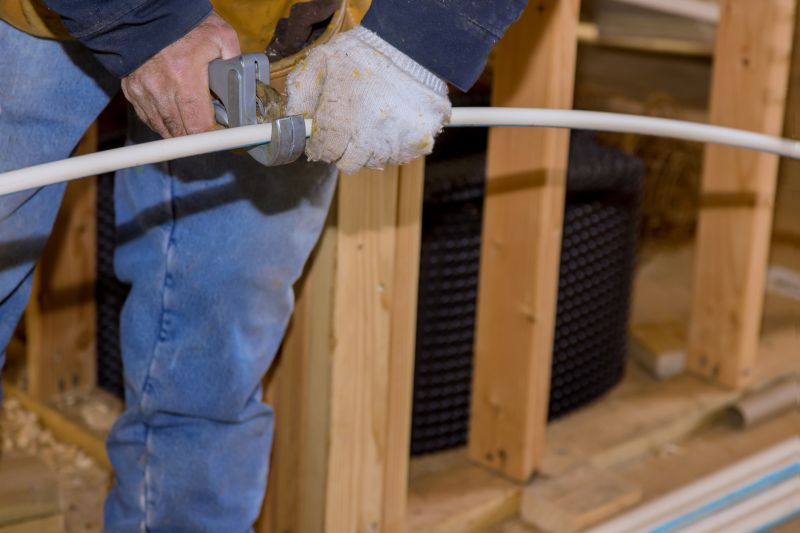
When evaluating local contractors for water line installation related to aging water lines and their impact on plumbing performance, it is important to consider their experience with similar projects. Homeowners should inquire about the types of water line replacements they have completed and whether they are familiar with the specific challenges that aging pipes can present. A contractor’s history of handling projects comparable in scope and complexity can provide insight into their ability to manage the nuances of water line upgrades effectively, ensuring the work is done properly and efficiently.
Clear written expectations are essential when comparing service providers. Homeowners should seek detailed proposals that outline the scope of work, materials to be used, and the steps involved in the installation process. This transparency helps prevent misunderstandings and ensures that both parties are aligned on project goals. Reputable local contractors typically provide comprehensive documentation that clarifies what to expect, making it easier to compare options and select a provider who can meet the specific needs related to aging water lines and plumbing performance.
Good communication and reputable references are also key factors in choosing a service provider. Homeowners should look for local pros who are responsive to questions and willing to explain their approach in understandable terms. Additionally, seeking references or reviews from previous clients can offer valuable insights into the contractor’s reliability, professionalism, and quality of work. Strong communication skills and positive references can help ensure that the project proceeds smoothly, with clear updates and a shared understanding of how the water line installation will address issues caused by aging pipes and improve overall plumbing performance.
Property owners often search for how aging water lines affect plumbing performance when they are planning practical projects around their homes and businesses. Local pros provide Water Line Installation services for everyday jobs and straightforward project options.
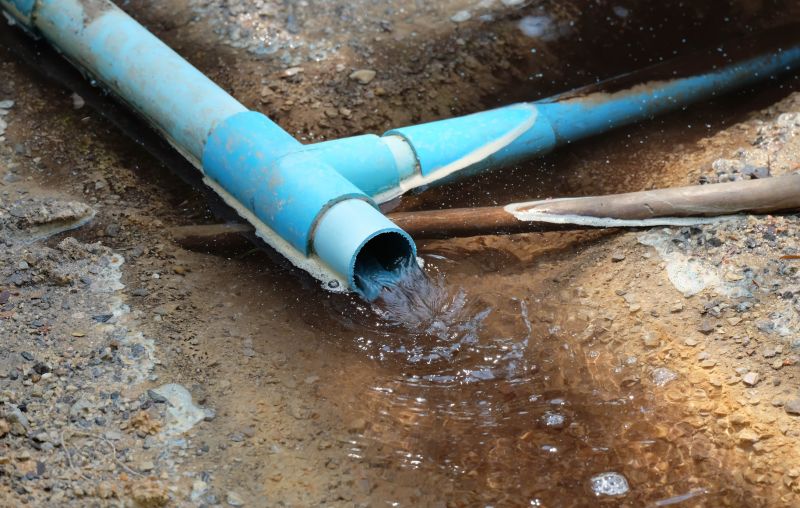
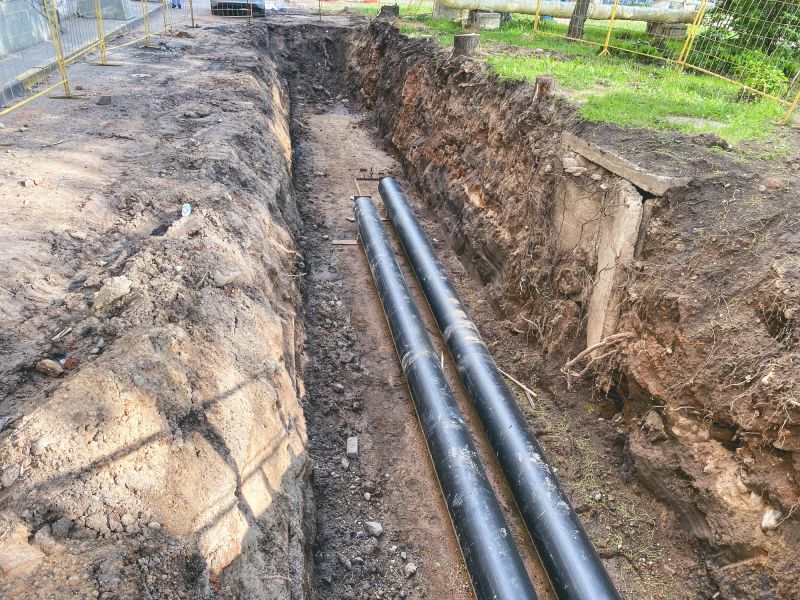
As water lines age, they can develop issues that impact overall plumbing performance in homes and businesses. Property owners might notice reduced water pressure, inconsistent flow, or discoloration in their tap water, which often prompts questions about the condition of their aging water lines. In such cases, local contractors who specialize in water line installation can assess whether outdated pipes are causing these problems and recommend appropriate upgrades to restore proper function.
Understanding how aging water lines affect plumbing performance helps property owners make informed decisions about necessary repairs or replacements. Over time, old pipes may corrode, leak, or become clogged, leading to increased water bills and potential damage to fixtures. Local service providers experienced in water line installation can handle these upgrades efficiently, ensuring that the plumbing system operates smoothly and reliably.
How do aging water lines impact plumbing performance? As water lines age, they can develop corrosion, mineral buildup, and leaks, which may reduce water flow and cause pressure issues in plumbing systems.
Can aging water lines cause water quality problems? Yes, deterioration in water lines can introduce rust, sediments, and other contaminants into the water supply, affecting its clarity and safety.
What signs indicate that water lines are aging and affecting performance? Common signs include inconsistent water pressure, discolored or foul-smelling water, and frequent leaks or bursts in the plumbing system.
How can local contractors improve plumbing performance related to aging water lines? They can assess the condition of existing lines and recommend installation of new, durable water lines to restore optimal flow and prevent future issues.
Why should homeowners consider replacing aging water lines? Replacement helps prevent plumbing failures, improves water quality, and ensures reliable water delivery throughout the property.
Assessing water line condition - property owners can evaluate signs of aging water lines, such as reduced water pressure or discoloration, to determine if professional inspection is needed.
Planning for pipe replacement - incorporating water line upgrades into home renovation projects can improve plumbing performance and prevent future issues.
Choosing durable materials - working with local contractors to select modern, corrosion-resistant pipes can help mitigate the effects of aging water lines.
Scheduling routine inspections - regular checkups by experienced water line installation services can identify early signs of deterioration and maintain optimal plumbing function.
If you are thinking about how aging water lines affect plumbing performance for a property, this guide is meant to help you understand this topic, the typical project types, and how different options might fit your plans.
When you are ready, you can use the quote form on this page to share a few details about your project. From there, local pros can review the basics and follow up with options that match what you have in mind.